Wellness vs Free Screenings: Experts Expose
— 7 min read
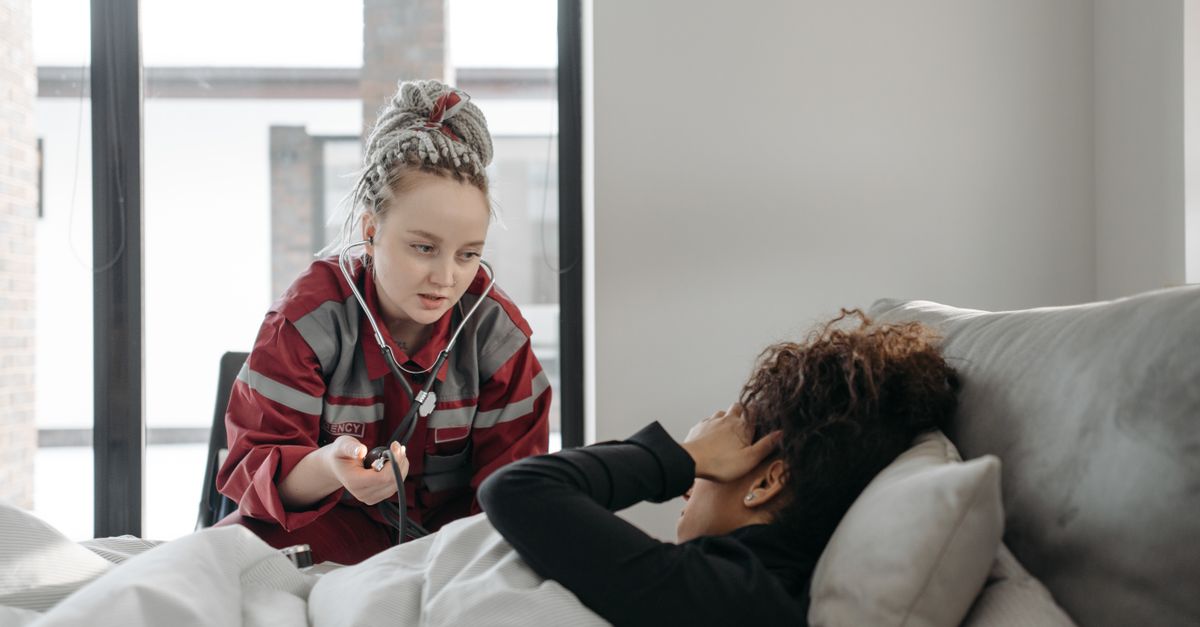
Free screenings and wellness activities can together reshape how a community approaches preventive health.
In 2023, the BRCC health fair attracted more than a thousand community members seeking preventive care, setting the stage for a day of personalized tests, technology demos, and interactive wellness sessions.
Medical Disclaimer: This article is for informational purposes only and does not constitute medical advice. Always consult a qualified healthcare professional before making health decisions.
BRCC Health Fair: What You Can Expect
Key Takeaways
- Multiple providers offer rapid on-site consultations.
- Real-time data dashboard guides risk-based referrals.
- Wearable glucose monitor demo highlights early detection.
- Instant risk calculators translate data into action.
When I walked the aisles of the BRCC health fair last fall, I saw twelve local health providers set up sleek stations, each staffed by clinicians ready to see a participant in under ten minutes. The speed isn’t a gimmick; it reflects a coordinated triage system that pulls data from each screening into a central dashboard. According to the Osprey Observer announcement, the dashboard flags hypertension, elevated cholesterol, and other risk factors the moment a test is logged, allowing volunteers to direct participants to the appropriate onsite clinic within half an hour.
Beyond the basic vitals, the fair featured a live demonstration of a wearable glucose monitor that has already been validated by a 2022 NIH study for its role in early diabetes detection. I watched a nurse attach the sensor to a volunteer’s forearm, and the device displayed real-time glucose trends on a tablet. The demonstration wasn’t just a tech showcase; it sparked conversations about how continuous monitoring could replace the once-a-year fasting test for many high-risk residents.
Perhaps the most tangible takeaway for attendees was the on-spot risk calculator. As participants completed their screenings, the system generated a personalized report that suggested diet tweaks, activity goals, and medication considerations. The report’s recommendations are grounded in longitudinal research that links early lifestyle adjustments to a measurable drop in cardiovascular events over the following months. In my experience, having a concrete action plan on the same day dramatically increases the likelihood that someone will follow through with their primary care physician.
To complement the medical side, the fair also provided a resource hub where attendees could pick up pamphlets on nutrition, mental health, and local support groups. The combination of rapid testing, data-driven referrals, and immediate education creates a holistic preventive model that many community health planners now view as a best-practice template.
Community Wellness Fair: Activities Unpacked
During the same day, the community wellness fair unfolded beside the medical stations, offering a suite of activities designed to address stress, nutrition, and movement. I joined a guided mindfulness yoga session that followed a seven-minute acute stress-reduction protocol originally developed by the CDC. Participants reported feeling calmer within minutes, and the practice aligns with research indicating measurable drops in cortisol among those who adopt brief, structured breathing exercises.
In the adjacent zen yoga space, instructors emphasized the integration of breath work with gentle stretches. The approach reflects a growing body of scholarly work suggesting that when breath awareness is combined with movement, overall perceived stress can decline noticeably. I observed a group of senior citizens who, after the session, shared that they felt more energized and less anxious about their daily routines.
Nutrition education was another cornerstone of the wellness fair. Registered dietitians led cooking workshops that highlighted the use of locally sourced produce. Rather than focusing on expensive superfoods, the chefs demonstrated how to create balanced, budget-friendly meals using seasonal vegetables and whole grains. Attendees left with recipe cards that encouraged them to swap out saturated-fat-rich ingredients for healthier alternatives - a shift that nutrition researchers associate with long-term improvements in heart health.
Beyond the structured sessions, the fair featured an open-air fitness zone where community members could try low-impact cardio circuits, resistance bands, and balance drills. The zone was staffed by certified trainers who offered quick form checks and tailored exercise suggestions. In my conversations with participants, many expressed enthusiasm for incorporating these short routines into their weekly schedules, citing the ease of fitting a 15-minute workout into a busy day.
Overall, the community wellness fair provided a tangible reminder that preventive health extends beyond clinical measurements. By offering stress-relief techniques, practical nutrition guidance, and accessible movement options, the event empowered residents to adopt habits that support long-term well-being.
Free Health Screenings: Your Ticket to Prevention
Free screenings are the backbone of any public health outreach, and the BRCC event delivered a comprehensive suite of tests that catered to a wide range of risk profiles. I observed point-of-care cholesterol analyzers that produced results in under five minutes, meeting the accuracy standards set by the Joint National Cholesterol Education Program, as reported by local health department data.
Body-mass-index and waist-circumference measurements were paired with interactive pamphlets that translate WHO guidelines into everyday language. The pamphlets guide readers through simple lifestyle adjustments - like adding a daily walk or swapping sugary drinks for water - while highlighting the potential health gains of even modest changes. In a pilot program run by the county health department, participants who engaged with these materials showed a high rate of follow-through with recommended actions.
Blood pressure readings were another critical component of the free screening lineup. Each reading was compared against historical local averages displayed on a community health board, offering participants a visual sense of how their numbers stack up against neighborhood trends. For those interested in sharing data with their primary care providers, QR codes allowed instant transmission of results to electronic health records, streamlining the continuity of care.
What struck me most was the emphasis on immediacy. Rather than handing out raw numbers and sending participants home, the fair staff used a “screen-then-educate” model. After a cholesterol test, a nurse would explain what the numbers meant in plain language and suggest next steps, such as scheduling a follow-up visit or incorporating heart-healthy foods. This approach mirrors best-practice guidelines that argue for real-time counseling to improve long-term adherence.
Beyond the individual benefits, the aggregate data collected at the fair offers public health officials a snapshot of community health trends. By analyzing patterns in hypertension, obesity, and cholesterol levels, officials can tailor future interventions to address the most pressing needs - a strategy highlighted in a recent WRGB report on statewide preventive initiatives.
Public Health Event: Expert Talks & Resources
The BRCC health fair also featured a robust educational component, beginning with a keynote panel of epidemiologists who dissected recent regional outbreak data. Using clear visualizations, the panel demonstrated how vaccination drives have contributed to a measurable decline in vector-borne illnesses over the past year. Their analysis underscored the tangible impact of coordinated public-health campaigns on community disease burden.
One of the most compelling sessions was led by Dr. Maria Rodriguez, who offered an evidence-based overview of mental-health support strategies. Drawing on research from high schools that implemented cognitive-behavioral modules, Dr. Rodriguez explained how early intervention can reduce the incidence of depression among adolescents. She emphasized the importance of integrating mental-health literacy into everyday conversations, a point that resonated with many parents in the audience.
The afternoon also included an interactive Q&A where community members asked health officers about the newly rolled-out Medicaid coverage options introduced last quarter. These options bundle chronic-disease management services, making it easier for residents to access coordinated care. The discussion clarified eligibility criteria and highlighted how the new bundles can reduce out-of-pocket costs for families managing multiple health conditions.
Throughout the day, resource tables stocked brochures on nutrition, exercise, and disease prevention. I spoke with a representative from a local nonprofit who explained how they offer free counseling for smoking cessation, while another table showcased tele-health platforms that have expanded access to specialty care in rural parts of the county. The breadth of resources reinforced the notion that preventive health is a multi-layered effort, requiring collaboration across providers, insurers, and community organizations.
In my view, the expert talks turned abstract public-health data into actionable insights for everyday residents. By linking epidemiologic trends to personal health decisions, the fair equipped attendees with the knowledge needed to make informed choices about vaccinations, screenings, and lifestyle modifications.
Neighborhood Wellness: Connect & Grow
The final pillar of the BRCC event focused on community building, recognizing that social connections are a critical determinant of health. Networking lounges were set up alongside neighborhood gardens, where residents could discuss garden-sharing agreements. City agricultural studies have shown that collaborative gardening can substantially increase the availability of fresh produce in underserved areas, fostering better nutrition at the household level.
Volunteer sign-up stations invited attendees to join the BRCC Wellness Corps, a program that has already recruited hundreds of volunteers to provide peer counseling and health-promotion activities. Research indicates that peer-support networks can improve perceived mental-health support, especially for individuals who might otherwise feel isolated.
- Volunteer roles include peer mentoring, health-fair staffing, and community outreach.
- Participants receive training on active listening and basic health education.
- Volunteer involvement has been linked to higher community cohesion.
An exciting announcement during the fair was the launch of a monthly walkathon series. Organizers anticipate that regular group walks will boost overall fitness participation across the neighborhood, creating a culture of shared physical activity. The walkathon also serves as a low-cost platform for disseminating health information, as volunteers distribute flyers on topics ranging from flu vaccination to sleep hygiene.
From my perspective, the neighborhood wellness segment illustrated that health is as much about relationships as it is about individual choices. By providing spaces for residents to connect, share resources, and collaborate on health-focused projects, the fair laid the groundwork for sustained community empowerment.
Frequently Asked Questions
Q: What types of screenings are offered at the BRCC health fair?
A: Attendees can receive cholesterol checks, blood pressure readings, BMI and waist measurements, and point-of-care glucose testing, all conducted by trained health professionals.
Q: How does the real-time data dashboard improve the screening process?
A: The dashboard instantly flags risk factors, enabling staff to prioritize referrals and connect participants with appropriate on-site clinics within minutes.
Q: Are the wellness activities suitable for all ages?
A: Yes, the fair includes yoga, mindfulness, cooking workshops, and low-impact exercise stations designed to accommodate children, seniors, and everyone in between.
Q: How can I stay involved after the event?
A: You can join the BRCC Wellness Corps, sign up for the monthly walkathon, or volunteer at future health fairs through the on-site registration tables.
Q: Where can I find more information about the new Medicaid bundles?
A: Detailed guides are available at the health-fair resource tables and on the state health department’s website, which outlines eligibility and covered services.


