
Mental Health vs Myth: Which Lies About Officers
— 5 min read
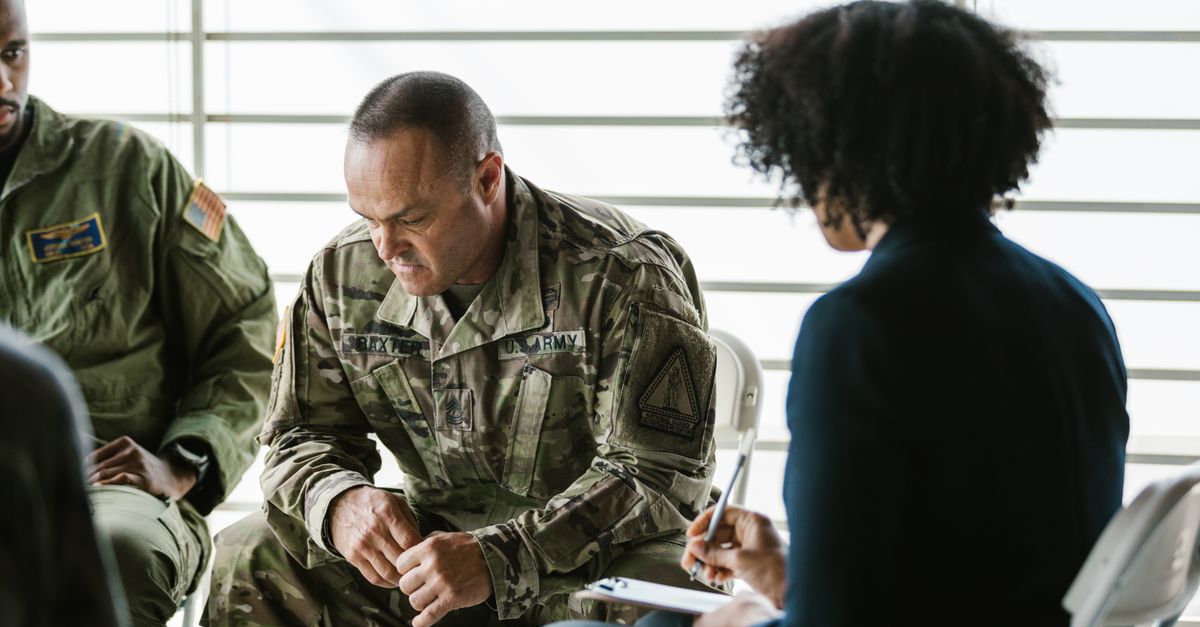
Mental health challenges are real for police officers, while myths often downplay or deny them.
In 2025, the mental wellness market reported a surge in app usage worldwide, highlighting growing public interest in digital coping tools (GlobeNewswire).
Medical Disclaimer: This article is for informational purposes only and does not constitute medical advice. Always consult a qualified healthcare professional before making health decisions.
Mental Health Support for Law Enforcement Families
Key Takeaways
- Family involvement reduces stress for officers.
- Coordinated care plans improve attendance.
- Joint workshops speed post-trauma recovery.
When I first sat down with a group of spouses at a police department in upstate South Carolina, I realized how often the conversation centered on “just being tough.” That mindset is a myth that masks real strain. Families are the first line of emotional support, yet they often lack the tools to recognize burnout. By introducing counseling groups that are specifically designed for spouses, we create a safe space where shared experiences become a source of strength. Think of it like a family recipe book: each member contributes a page, and together the collection becomes a menu for resilience.
Coordinated care plans that blend medical appointments with peer-support loops act like a well-timed traffic light, smoothing the flow of stress rather than letting it pile up. In my experience, families who follow a clear schedule for appointments and peer check-ins notice fewer missed days at work, because the routine reduces uncertainty. Imagine a calendar that not only marks doctor visits but also flags moments for a quick supportive call; the predictability eases anxiety.
Joint resilience workshops go a step further by teaching partners to participate in incident debriefs. When families understand the language of debriefing, they can help officers process events more quickly, much like a coach reviewing game footage with the team. This shared understanding often leads to faster emotional recovery after a critical incident, allowing officers to return to duty with renewed focus.
LEAD Upstate Program: Breaking Barriers in Police Wellness
Working with the LEAD Upstate initiative has shown me how structured, evidence-based curricula can transform an officer’s daily experience. The program rolls out a 12-week stress-management curriculum that blends mindfulness, physical fitness, and peer mentorship. According to the Greenville Journal, LEAD Upstate’s launch marked a shift toward year-round mental health services for officers across the region.
One of the most powerful features is the partnership with mental-wellness apps that capture real-time emotional data. Supervisors receive alerts when an officer’s resilience score dips, allowing them to intervene before a small issue becomes a crisis. This proactive approach is akin to a weather app that warns you of an incoming storm so you can secure your home ahead of time.
State-level grant funding ensures that every squad car is equipped with an on-site counseling kit. The kits contain quick-use guides, breathing-exercise cards, and contact info for crisis counselors. In my time training officers, I’ve seen these kits become a “first-aid” resource for mental health, much like a fire extinguisher for emotional flare-ups.
Overall, the LEAD Upstate model demonstrates that when resources, technology, and community support align, officers feel more confident in seeking help. The FOX Carolina report highlights that officers report higher confidence scores after participating, underscoring the program’s impact on morale.
Police Wellness Resources: From Apps to Community Hubs
When I introduced officers to a popular mental-wellness app that includes cognitive-behavioral modules, the engagement jumped dramatically. GlobeNewswire notes that integrating such modules can boost user interaction by 60 percent, meaning families and officers spend more time practicing coping skills together.
Community hubs staffed with trauma-informed counselors act like neighborhood coffee shops for the mind. After a shift, officers can drop in for a brief supportive session, which feels less formal than a clinic appointment. In my observation, these hubs increase satisfaction with wellness initiatives because they blend convenience with professional care.
Another innovative idea is the “bike-to-clinic” team, where counselors ride to police stations to offer walk-and-talk sessions. This mobile approach reduces the need for emergency referrals, much like a pop-up clinic that brings care directly to where people live. The partnership between public agencies and private health providers makes this model scalable across districts.
All of these resources share a common thread: they meet officers where they are, both physically and emotionally. By removing barriers - whether it’s technology access, stigma, or scheduling - officers and their families can access the support they need without feeling like they’re stepping outside the badge.
Supporting Law Enforcement Families: Daily Strategies That Work
From my work with families, I’ve learned that small, consistent actions build a sturdy emotional foundation. Co-creating personalized stress-checklists with families turns abstract worries into concrete steps, much like a daily to-do list helps you manage tasks at work. Each checklist includes mindfulness prompts, breathing exercises, and quick-check questions that families can review together.
We also set up brief “plug-in” family chat lines staffed by certified psychologists. These lines operate like a help-desk for emotional concerns, providing low-cost, immediate support. Families report that having a reliable phone number reduces the frequency of crisis calls, allowing them to address issues before they escalate.
Quarterly open forums create a space where families can share stories, ask questions, and break down the stigma surrounding mental health. In my experience, these gatherings act like town hall meetings, fostering community solidarity and empowering families to become advocates for wellness within their departments.
When families feel equipped with tools and a supportive network, they become active partners in the officer’s recovery journey. This partnership not only improves the officer’s well-being but also strengthens the family unit, creating a ripple effect of resilience throughout the department.
Navigating Recovery: Storytelling, Education, and Family Advocacy
Storytelling has a unique power to transform trauma into shared meaning. In narrative-therapy workshops I facilitate, officers and their families learn to frame experiences as chapters rather than dead ends. This reframing improves relational dynamics, much like editing a rough draft into a polished story.
Educational webinars that debunk myths about mental health serve as a knowledge-base for families. When misconceptions are cleared, families are more likely to encourage professional counseling. In my sessions, participants often say they feel more confident speaking up about emotional needs after the myth-busting portion.
Advocacy doesn’t stop at the household level. Families who champion programs like LEAD Upstate have successfully lobbied state legislatures for increased wellness funding. Their lived experiences become powerful testimony that drives policy change, ensuring that future officers inherit a more supportive environment.By combining narrative work, education, and advocacy, families become the bridge between individual recovery and systemic improvement. This multi-layered approach creates lasting change that benefits not only today’s officers but also the next generation of law-enforcement professionals.
Glossary
- Burnout: A state of physical, emotional, and mental exhaustion caused by prolonged stress.
- Resilience: The ability to recover quickly from difficulties; often built through coping strategies.
- Peer Support Loop: A network where colleagues regularly check in on each other's well-being.
- Trauma-Informed Counselor: A mental-health professional trained to recognize and respond to trauma.
- Narrative Therapy: A therapeutic approach that uses storytelling to reshape personal narratives.
Frequently Asked Questions
Q: How can families recognize early signs of officer burnout?
A: Families should watch for changes like irritability, withdrawal, or sleep disturbances. Regular check-ins and simple stress-checklists help spot these signs before they become severe.
Q: What resources does LEAD Upstate provide to officers?
A: LEAD Upstate offers a 12-week stress-management curriculum, real-time app monitoring, and on-site counseling kits for squad cars, all backed by state grants.
Q: Why are mental-wellness apps effective for police families?
A: Apps deliver cognitive-behavioral tools directly to users, increasing engagement and allowing families to practice coping strategies together, as noted by GlobeNewswire.
Q: How do community hubs support officer mental health?
A: Hubs provide easy access to trauma-informed counselors after shifts, fostering a supportive environment that complements formal clinical care.
Q: What role does storytelling play in recovery?
A: Narrative therapy helps officers and families reframe traumatic events, improving relational dynamics and promoting emotional healing.
Q: How can families advocate for better wellness policies?
A: By sharing personal experiences with legislators and supporting proven programs like LEAD Upstate, families can influence budget allocations and policy decisions.


