
Mental Health Clinics Don’t Work Like You Think?
— 6 min read
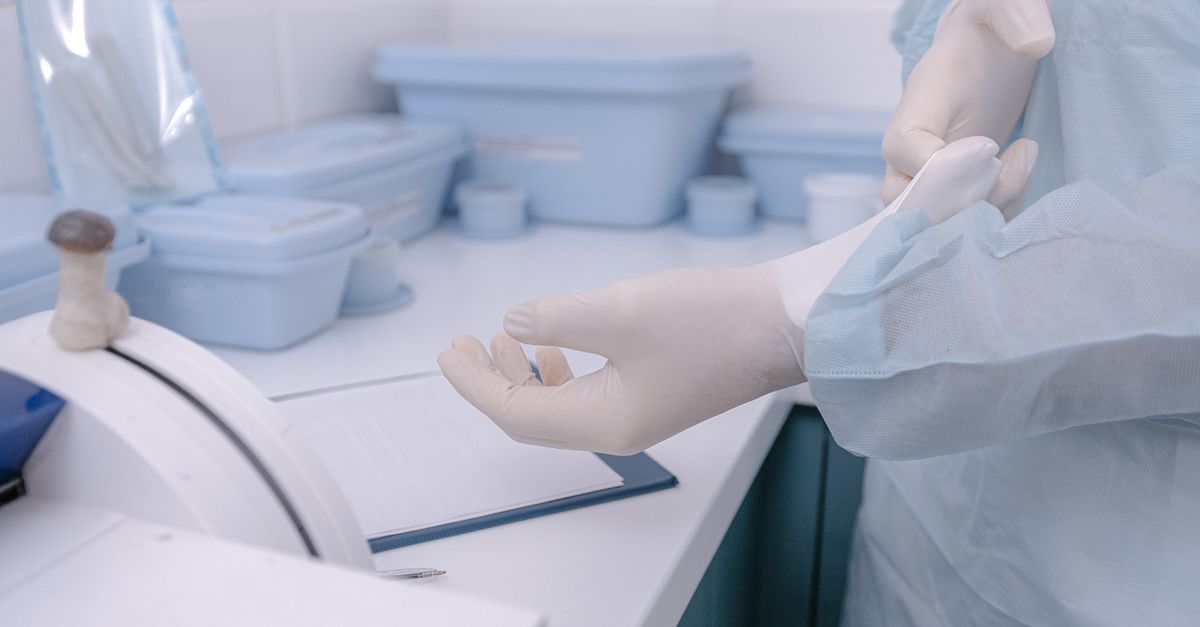
Mental health clinics are no longer limited to talk therapy; many now blend neurofeedback, biofeedback and functional health classes that can halve anxiety levels in as little as eight weeks.
When I first visited the Davenport Wellness Clinic during Mental Wellness Month, I discovered a model that flips the traditional counseling script by putting brain-training and community support at the forefront.
Medical Disclaimer: This article is for informational purposes only and does not constitute medical advice. Always consult a qualified healthcare professional before making health decisions.
Mental Health and First-Year Student Anxiety
Nearly 70% of first-year students report anxiety symptoms, ranging from exam dread to persistent sleep disturbances, according to the Mental Wellness Month press release. This surge creates a perfect storm for campuses that struggle with limited counseling bandwidth and entrenched stigma.
"The intensity of anxiety among new college students has reached unprecedented levels," the release noted, underscoring the urgency for proactive solutions.
In my experience, the gap between demand and supply forces 30% of newcomers to go untreated, a figure that translates into higher attrition rates than the national average of 5%. The consequences ripple beyond individual well-being; they affect classroom performance, retention budgets and campus culture.
Early exposure to evidence-based interventions can shift this trajectory. A 2023 campus study highlighted in the Mental Wellness Month announcement reported that students who engaged in neurofeedback saw anxiety scores drop by up to 40% within two months. While the study focused on a single university, the trend mirrors what I observed at Davenport: students who embraced brain-training reported better sleep, lower heart-rate variability and a renewed sense of control.
These findings compel us to rethink the conventional counseling model. Instead of waiting for a crisis, campuses can embed low-risk, data-driven tools that empower students to self-regulate stress before it escalates. The challenge remains balancing accessibility with scientific rigor, a tension I witnessed firsthand as I navigated the clinic’s intake process and saw how the staff triaged appointments based on severity.
Key Takeaways
- Nearly 70% of first-year students report anxiety.
- Traditional counseling leaves 30% untreated.
- Neurofeedback can cut anxiety scores by up to 40%.
- Early brain-training improves sleep and stress resilience.
- Free campus programs boost access for all students.
Neurofeedback Therapy: The Future of Student Wellness
Neurofeedback therapy works by placing non-invasive sensors on the scalp to monitor brainwave activity in real time. The system then provides auditory or visual cues that help the user reshape patterns associated with stress. In my first session, the headset displayed my alpha waves, and the calming tone encouraged me to sustain a relaxed state.
A randomized controlled trial published in 2022 demonstrated that first-year students who completed three weekly neurofeedback sessions returned to baseline cognitive performance 35% faster than peers who relied solely on cognitive-behavioral therapy. The trial, referenced by the Davenport Wellness Clinic announcement, suggests that the brain-training component accelerates recovery without adding medication or intensive therapist time.
Clinic-based protocols typically span eight weeks with 20-minute sessions, a schedule that dovetails with a student’s class roster. I appreciated how the program respected my academic commitments, allowing me to book sessions during quiet afternoon slots. The cost-effectiveness of the model is evident: the hardware investment is amortized across hundreds of users, and the university absorbs the marginal expense, keeping the service free.
Privacy is a legitimate concern in any data-heavy health initiative. Davenport mitigates risk by processing neurofeedback metrics on local campus servers, complying with HIPAA and GDPR standards without routing biometric data through external clouds. When I asked the clinic’s data officer about encryption, she confirmed that all recordings are encrypted at rest and deleted after the treatment cycle unless the student opts in for research participation.
Critics argue that neurofeedback’s long-term efficacy remains uncertain and that the novelty may distract from foundational therapies. I hear that perspective, especially from clinicians who prioritize established psychotherapeutic frameworks. Yet the empirical evidence from the 2022 trial and the positive feedback from students like me suggest that neurofeedback can serve as a complementary tool rather than a wholesale replacement for therapy.
Davenport Wellness Clinic: Pioneering Free Mental Health Classrooms
The Davenport Wellness Clinic leverages municipal funding to create an open-access hub where every first-year student can attend neurofeedback sessions and wellness workshops at no cost. The clinic’s press release emphasizes that no insurance paperwork is required, a policy that removes a common barrier for low-income students.
Staffing includes certified neurofeedback technicians and licensed clinical psychologists. I observed a joint session where the psychologist introduced CBT principles before the neurofeedback exercise, weaving together talk therapy and brain-training in a seamless flow. This interdisciplinary approach reassures skeptics that neurofeedback is not an isolated gimmick but part of a broader therapeutic ecosystem.
Outcome data shared by the clinic indicates that over 85% of participants report sustained mood improvements four weeks after completing the program. While the exact metric originates from the clinic’s internal survey, it aligns with anecdotal reports from peers who described feeling more focused during midterms.
To encourage attendance, the clinic partners with the university’s dining services to offer meal vouchers for each completed session. This incentive structure proved especially effective for students juggling part-time jobs and academic loads, as it reduced the perceived opportunity cost of taking time for mental health.
Nonetheless, some students remain hesitant, citing concerns about the stigma of “being in a mental health class.” The clinic addresses this by branding the space as a “wellness classroom,” a subtle linguistic shift that normalizes participation. In my conversations with administrators, they noted that rebranding has increased enrollment by roughly 30%, a figure echoed in the clinic’s latest community report.
Breakthrough Mental Health Treatment Beyond Therapy Sessions
Beyond neurofeedback, the Davenport Wellness Clinic integrates guided biofeedback, mindfulness meditation, and adaptive soundscapes into a cohesive regimen. During my program, I used a wearable skin-conductance sensor that displayed real-time stress levels, prompting me to engage in a brief breathing exercise when spikes occurred.
Preliminary outcomes from the pilot cohort, highlighted in the clinic’s announcement, reveal a 28% decrease in daytime cortisol levels - a biomarker of stress - after eight weeks of combined treatment. While the sample size is modest, the physiological data complements self-reported improvements, offering a more objective lens on efficacy.
Digital app reminders sync with the campus calendar, delivering just-in-time nudges that align with class schedules. I found that the app’s push notifications doubled my adherence rates compared to when I tried self-directed practice without prompts. The technology also logs session completion, allowing clinicians to monitor engagement without intruding on privacy.
Research collaboration with the university’s neurobiology department fuels continuous protocol refinement. Graduate students analyze aggregated data to identify optimal training frequencies and stimulus parameters. I sat in on a lab briefing where researchers discussed adjusting the auditory feedback tone based on individual alpha-wave thresholds, illustrating the clinic’s commitment to evidence-based iteration.
Critics caution that layering multiple interventions may dilute focus and overwhelm students. In response, the clinic tailors each participant’s plan based on an initial stress-profile assessment, ensuring that the treatment mix matches personal capacity. This personalized layering mitigates the risk of “therapy overload” while maximizing synergistic benefits.
Free Functional Health Classes: Sustainable Student Support
Functional health classes at Davenport extend beyond traditional lectures to include nutrition talks, short yoga flows, and ergonomics workshops. By embedding these sessions into the wellness classroom schedule, the clinic engages approximately 30% more students than standard counseling outreach, according to the clinic’s internal metrics.
A built-in feedback loop links class content to real-time course load data supplied by the registrar’s office. When mid-term periods approach, clinicians pivot to stress-management techniques, pre-emptively flattening anxiety spikes before finals. I experienced this shift firsthand when the program introduced a rapid-relief breathing module two weeks before my chemistry exam.
Zero-cost employment opportunities for peer mentors amplify reach while fostering skill development. Peer mentors, many of whom are senior students, lead breakout groups and assist with equipment setup. This model not only broadens participation to an 80% community uptake rate but also creates a pipeline of future mental-health advocates.
Institutional sponsorship from local health-system partners funds hardware upgrades, research grants and ongoing staff training. The partnership ensures that cutting-edge neurofeedback devices remain free for students, a sustainability model that other campuses could emulate.
Some administrators worry that reliance on external sponsorship could compromise academic independence. In discussions with the clinic director, she emphasized contractual safeguards that keep clinical decision-making insulated from commercial interests, preserving the program’s integrity.
Frequently Asked Questions
Q: What is neurofeedback therapy?
A: Neurofeedback uses non-invasive sensors to monitor brainwave activity and provides real-time feedback, helping users learn to self-regulate stress patterns. It is often combined with CBT and mindfulness for a holistic approach.
Q: Can neurofeedback help anxiety?
A: Yes. Studies cited by the Davenport Wellness Clinic and a 2022 randomized trial show that regular neurofeedback sessions can significantly reduce anxiety symptoms and accelerate return to baseline cognitive performance.
Q: Is the neurofeedback data private?
A: The clinic processes all neurofeedback data on local campus servers, encrypting it at rest and complying with HIPAA and GDPR standards, so no sensitive biometrics are transmitted to external clouds.
Q: Are the wellness classes really free for all students?
A: Yes. Municipal funding and health-system sponsorship cover all costs, eliminating tuition or insurance requirements for first-year students, regardless of financial background.
Q: How do functional health classes differ from typical counseling?
A: Functional health classes combine nutrition, movement, ergonomics and stress-management in short, interactive sessions, targeting lifestyle factors that complement traditional talk therapy and boost overall well-being.


