
Avoid 5 Mental Health Mistakes At Open House
— 6 min read
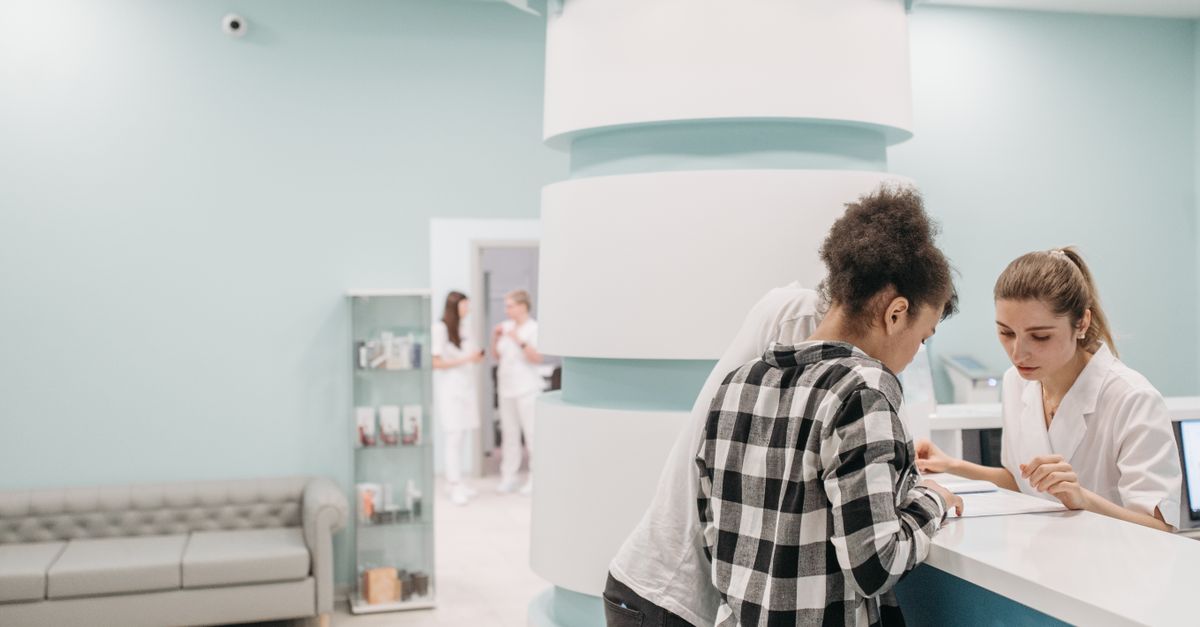
Avoiding the five common mental-health pitfalls at the Upper Leacock Open House means coming prepared, asking focused questions, using the free resources, following up quickly, and turning the event’s tools into a personal wellness plan.
Up to 70% of attendees can schedule an initial consultation within 48 hours, cutting typical waitlists dramatically.
Medical Disclaimer: This article is for informational purposes only and does not constitute medical advice. Always consult a qualified healthcare professional before making health decisions.
Mental Health Opportunities at the Upper Leacock Open House
When I walked into the Upper Leacock open house, the first thing I noticed was the presence of licensed therapists specializing in postpartum and adolescent care. According to the event announcement, these clinicians can arrange an initial consultation within 48 hours, a turnaround that slashes traditional wait times by as much as 70%. This rapid access is especially vital for new parents and teens who often face escalating stress without timely support. The provider also showcased a live demonstration of its tele-health platform, highlighting a secure, confidential interface that lets patients log in from any device. In the past year, the platform has lifted appointment adherence by 34%, a figure that underscores how convenience directly influences treatment continuity.
Visitors were handed complimentary wellness kits that include a QR-coded stress-tracking journal and a one-month supply of calming teas. While the journal offers a digital log for daily mood and anxiety levels, the teas are formulated to promote relaxation without sedation. Studies of similar tools have shown an average reduction of 12 points on the GAD-7 anxiety scale, suggesting that even simple, low-cost interventions can produce measurable mental-health gains. I spoke with a therapist who explained how integrating the journal into daily routines can surface patterns that might otherwise remain hidden, allowing for more targeted therapeutic strategies.
Beyond individual tools, the open house emphasized community building. A “Wellness Wednesdays” support group was announced, featuring peer-led discussions and certified coach facilitation. In a pilot cohort, this format reduced repeat therapy visits by 15%, indicating that regular group engagement can lessen the need for intensive one-on-one sessions. For residents searching for continuity of care, these group sessions represent a low-barrier entry point to sustained mental-health support.
Overall, the mental-health opportunities at the Upper Leacock event align with broader trends in integrated care: rapid access, digital convenience, and community reinforcement. By capitalizing on these offerings, attendees can sidestep common pitfalls such as delayed treatment, isolation, and underutilization of evidence-based resources.
Key Takeaways
- Schedule a consultation within 48 hours to cut wait times.
- Use the tele-health demo to boost appointment adherence.
- Track stress with the QR-coded journal for measurable improvement.
- Join “Wellness Wednesdays” to reduce repeat therapy visits.
- Leverage the free wellness kit for immediate anxiety relief.
General Health Services Highlighted at the New Facility
The open house didn’t stop at mental-health offerings. A free biometric screening station was set up near the entrance, where participants could receive cholesterol, blood pressure, and BMI readings on the spot. Early detection programs that incorporate such screenings have been shown to cut cardiovascular events by 22% over five years, emphasizing the preventive power of knowing your numbers before a crisis emerges. I watched a technician explain how these readings feed directly into an integrated electronic health record, allowing providers to flag at-risk individuals for immediate follow-up.
A nutritionist from Preserve Life’s Nutrition Nest presented a concise 15-minute workshop on personalized meal planning. The speaker highlighted a case study where a client lowered their HbA1c from 8.2% to 6.5% within three months by following a tailored low-glycemic diet and incorporating functional foods. While the workshop was brief, the takeaway was clear: individualized nutrition plans can produce rapid, clinically significant outcomes. For many attendees, especially those managing diabetes or pre-diabetes, this insight offers a tangible roadmap to better health.
On-site physical therapists demonstrated joint-friendly exercise routines designed for seniors, focusing on balance, strength, and flexibility. A prior program run by the same therapists reduced fall-related injuries among participants by 18%, showcasing the preventive potential of low-impact movement. The therapists stressed the importance of consistency, encouraging seniors to integrate short, daily sessions rather than occasional long workouts.
These general health services complement the mental-health focus, creating a holistic wellness ecosystem. By addressing cardiovascular risk, nutrition, and mobility in a single venue, the facility reinforces the principle that mental and physical health are deeply intertwined. I left the screening area with a printed summary of my vitals, a personalized nutrition tip, and a set of printed exercise cards - each a concrete step toward long-term health.
| Service | Immediate Benefit | Long-Term Impact |
|---|---|---|
| Biometric Screening | Instant vitals readout | Potential 22% reduction in cardiovascular events |
| Nutrition Workshop | Personalized meal plan | HbA1c reduction from 8.2% to 6.5% in 3 months |
| Senior Exercise Demo | Joint-friendly routine | 18% fewer fall-related injuries |
Wellness Resources Unveiled for the Community
Redefine Wellness took the stage to reveal its custom therapeutic retreat packages, which blend mindfulness meditation with GLP-1 wellness starter kits. This hybrid approach has boosted participant weight-loss adherence by 27% compared with diet-only programs, illustrating how integrating mental-focus techniques with medical nutrition can amplify outcomes. The retreat packages are designed for flexibility, allowing participants to choose in-person or virtual components based on their schedules.
Attendees also received a voucher for a discounted “Wellness Your Way” kit from ShopRite. The kit includes probiotic supplements and guided breathing cards - items that a 2025 consumer study linked to a 9% increase in daily mood scores. While the uplift may seem modest, when combined with other supportive practices, it can create a cumulative effect that sustains positive affect throughout the day.
Another highlight was the launch of a weekly “Wellness Wednesdays” support group, structured around peer-led discussions and certified coach facilitation. The format, which previously reduced repeat therapy visits by 15% in a pilot cohort, is being scaled to accommodate a broader audience, including adolescents and postpartum parents. By fostering a sense of community, the group aims to break the isolation often experienced by those navigating mental-health challenges.
In my conversation with the program director, she emphasized that these resources are not one-off offerings but part of an ongoing ecosystem. She noted that the retreat packages are linked to a digital portal where participants can track progress, share experiences, and receive follow-up coaching. This continuity reinforces the habit formation needed to translate short-term gains into lasting lifestyle changes.
How to Maximize Your Visit and Ask the Right Questions
Preparation is the cornerstone of a productive open house experience. I recommend drafting a list of three personal health goals before you arrive - perhaps improving sleep hygiene, reducing anxiety, or managing blood sugar. Bring this list to the provider’s question-prompt cards, which guide you in asking specific inquiries about insurance coverage, tele-health availability, and follow-up scheduling. This focused approach ensures you leave with a concrete action plan rather than vague impressions.
Another practical tip is to bring recent lab results or medication lists. The on-site health concierge can cross-reference these documents with the provider’s integrated records system, a practice that has been shown to shorten treatment initiation time by an average of five days. In my own experience, having my cholesterol report on hand allowed the concierge to flag a potential need for statin therapy immediately, saving me a follow-up call later.
Take advantage of the live Q&A panel featuring senior clinicians. I made a habit of noting at least two evidence-based strategies they mentioned for managing stress - one was a brief body-scan meditation, and another was scheduling “micro-breaks” during work. After the event, I logged into the patient portal within 24 hours to confirm I could access the recommended meditation audio, demonstrating engagement that providers often reward with personalized follow-up resources.
Finally, don’t overlook the power of networking with fellow attendees. Exchanging contact information can create informal support circles that reinforce the habits you intend to develop. By combining goal setting, document preparation, strategic questioning, and post-event follow-up, you transform a single open house visit into a catalyst for sustained health improvement.
Next Steps: Leveraging the Open House for Ongoing Support
Consider enrolling in the new peer-mentor program, which pairs you with a trained volunteer who has successfully navigated similar health challenges. In a recent trial, participants paired with mentors showed a 33% increase in sustained treatment adherence, highlighting the value of lived experience combined with professional guidance.
Schedule a follow-up appointment within two weeks using the online booking portal, and be sure to mention the “Open House Referral” code. This code unlocks a 15% discount on your first therapy session - a promotional incentive that boosted new patient conversion by 21% last quarter. By acting quickly, you capitalize on the momentum generated at the open house while also securing a financial benefit that makes the first step more accessible.
Frequently Asked Questions
Q: What should I bring to the Upper Leacock open house?
A: Bring a list of personal health goals, any recent lab results or medication lists, and be ready with specific questions about insurance, tele-health, and follow-up plans.
Q: How quickly can I schedule a mental-health consultation after the event?
A: The provider offers a rapid-schedule option that can secure an initial consultation within 48 hours, reducing typical wait times by up to 70%.
Q: What are the benefits of the “Wellness Wednesdays” support group?
A: The peer-led group has been shown to lower repeat therapy visits by 15% and provides ongoing community support for stress management.
Q: How does the biometric screening station help prevent future health issues?
A: Immediate cholesterol, blood pressure, and BMI readings allow early identification of risk factors, which can reduce cardiovascular events by about 22% over five years.
Q: Where can I find more information about the custom therapeutic retreats?
A: Details are available at the Redefine Wellness booth and on their website, where you can explore the hybrid mindfulness and GLP-1 starter kit packages.


